
Appendicitis Misdiagnosis Radiology Expert Witness
What did the original CT actually show?
I review the original CT, the visibility of the appendix and surrounding findings, the clinical information available to the radiologist, and whether the interpretation met the applicable standard of care. My role is to explain what the imaging actually showed at the time, without letting the later diagnosis dictate the answer.

Appendicitis Expert Witness Services
—
When an appendicitis case turns on the imaging, I help counsel understand what the original CT showed, how apparent the findings were, and whether the interpretation met the applicable standard of care.
-

Independent CT Review
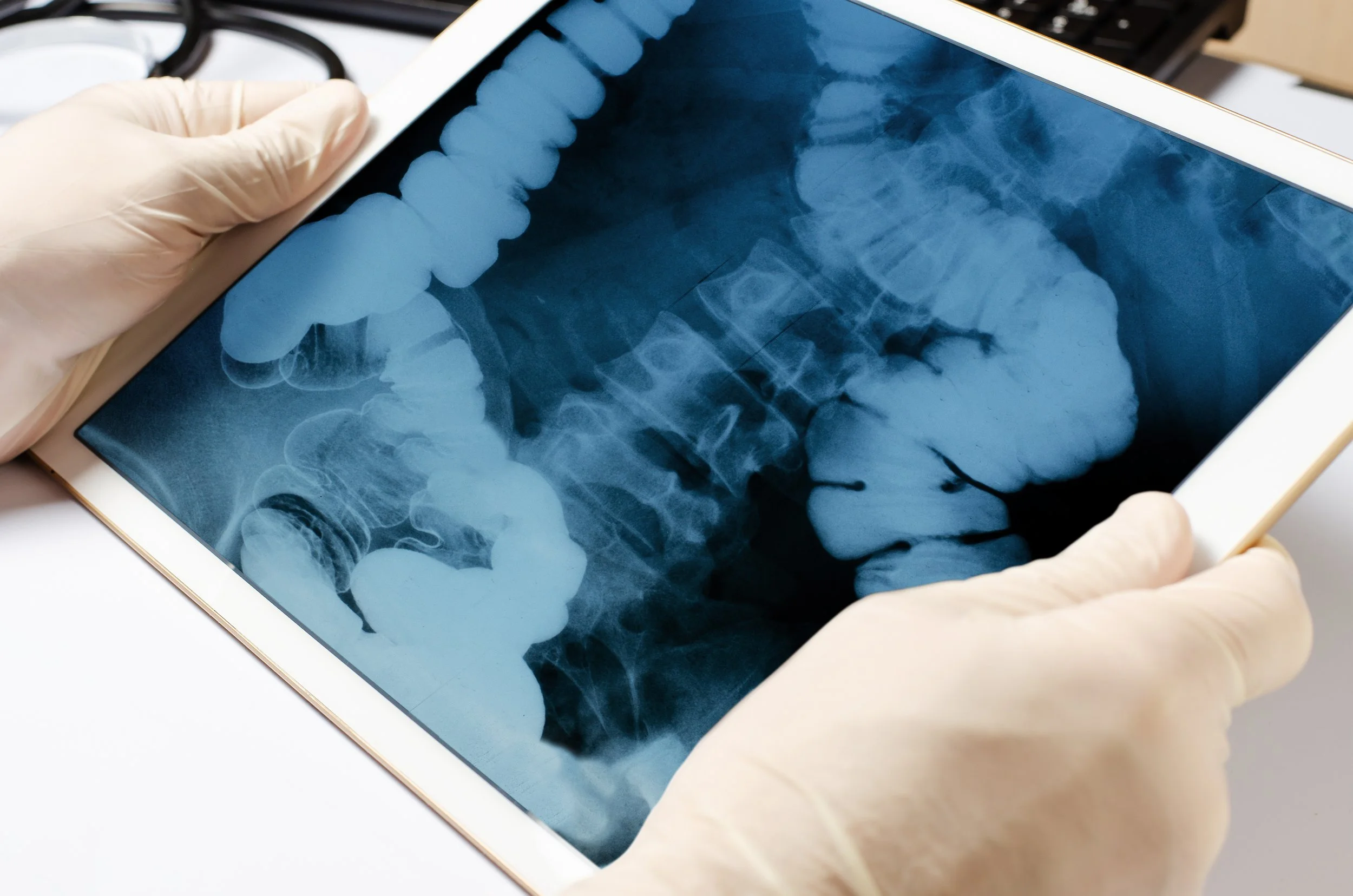
I review the original abdominal and pelvic CT to determine whether the appendix was identified, what findings were present, and how conspicuous those findings were at the time of interpretation.
-

Standard-of-Care Review
I evaluate whether a reasonably prudent radiologist should have recognized the findings, considering the imaging appearance, patient anatomy, clinical history provided, and circumstances of the original interpretation.
-

Serial Imaging Comparison
When I have later studies to review, I compare them with the original CT to evaluate interval imaging changes, including increasing inflammation, perforation, abscess formation, or other complications.
-

Reports & Testimony
I provide clear written opinions, deposition testimony, and trial testimony that explain the relevant imaging findings without unnecessary jargon or overstatement.
—
Independent Review of the Original Imaging
Whenever possible, I prefer to begin with the original imaging before unnecessary outcome information shapes the review.
This helps reduce hindsight bias and keeps the review centered on what the original radiologist actually had in front of them.
I look at:
whether the appendix was identified
how conspicuous the findings were
what clinical information was available
whether a reasonably prudent radiologist should have recognized the findings at the time
how later imaging compares with the earlier study
Why Attorneys Work With Me
I am a board-certified diagnostic radiologist with fellowship training in Emergency Radiology and Abdominal Imaging.
I continue to read chest, abdominal, and pelvic studies in active clinical practice.
My academic background includes teaching and leadership roles at the University of Pittsburgh, and I have spent years teaching physicians how to understand imaging.
I bring that same approach to my expert work.
I do not try to overwhelm attorneys or juries with radiology terminology.
I show them what matters.

Discuss an Appendicitis Misdiagnosis Case
—
If your case involves an alleged missed or delayed diagnosis of appendicitis, I can review the relevant imaging and help clarify the radiology questions.
I work with both plaintiff and defense counsel.
The first step is a brief conversation to determine whether the case falls within my subspecialty expertise.
Frequently Asked Questions
-
I evaluate the original imaging, whether the radiologist could identify the appendix, how apparent the findings were, what clinical information was available, and whether the interpretation met the applicable standard of care.
-
Yes. Early appendicitis can produce subtle CT findings, and the appendix can be difficult to identify depending on its position, nearby bowel loops, and patient anatomy. The presence of appendicitis does not automatically mean it was obvious on the original CT.
-
No. A missed diagnosis and a breach of the standard of care are not the same thing. The question is whether a reasonably prudent radiologist should have recognized the findings at the time of the original interpretation.
-
Findings may include an enlarged or fluid-filled appendix, surrounding fat stranding, wall thickening, abnormal enhancement, an appendicolith, and adjacent fluid. Consider these findings together, not in isolation.
-
Clinical context can change how an examination is interpreted. Right lower abdominal pain, fever, vomiting, and an elevated white blood cell count may increase concern for appendicitis, but only if that information was actually available to the radiologist.